Last Updated on February 7, 2026
What Is a common use for OCR in 2026?
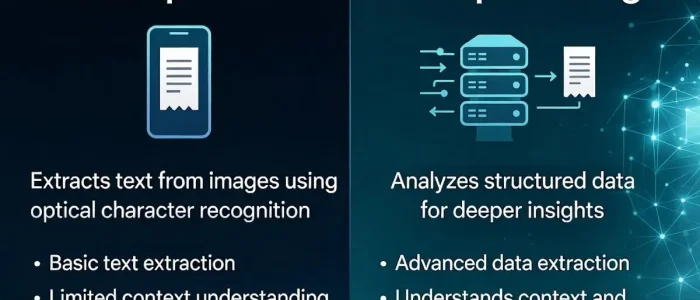
Receipt OCR APIs such as Tabscanner leverage vision transformers and NLP to extract structured data from receipt images with 99%+ accuracy. The technology identifies and classifies fields—merchant details, timestamps, line-item descriptions, prices, and totals—transforming unstructured receipt data into JSON or XML formats for expense automation, financial reconciliation, and compliance tracking.
Why is OCR for receipts more difficult?
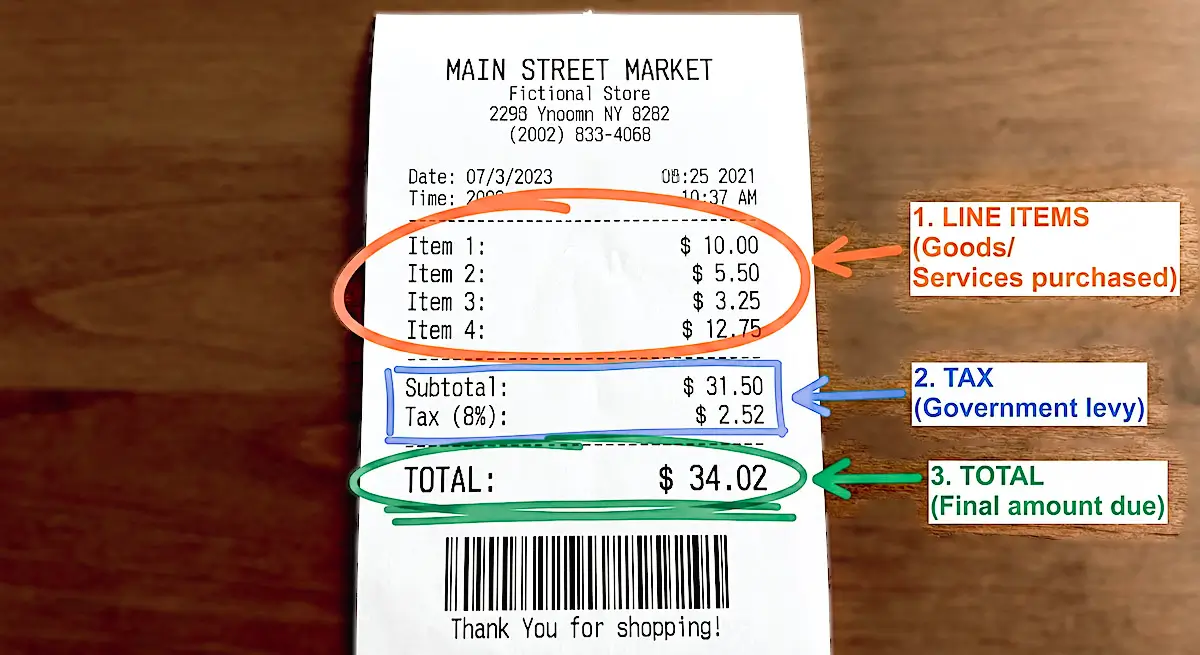
For receipts the most significant difference is the seemingly infinite variations that exist in terms of formatting. Although receipts appear to follow a standard pattern, when you look at the types of line items, units of measurements, how they are counted and measured, discounts and tax that can alter overall and individual costs and so on. Then consider the number of languages and character sets there are in the world… suddenly it looks rather difficult. The image above shows some of these factors.
Back in 2016 when “Tab Scanner” (the original name) was invented, we thought about it on a local scale. It was a simple idea about making life easier by splitting the tab in a restaurant. Nowadays we read huge numbers of receipts everyday without even looking at them. We aren’t allowed to
OCR stands for Optical Character Recognition, which is a technology that converts images of text into machine-readable text.
What is OCR used for and why?
It is commonly used to digitize printed documents so they can be edited, searched, and stored more efficiently. Since the AI era it is being used more for managing data. It allows humans to stop dull manual data entry and instead come up with creative ways to utilize the data.
Examples of how OCR is used in different industries:
Marketing makes great uses of OCR by using data retrieval for buyer behavior. The consumer purchase data on a receipt opens door to marketers to retarget buyers. It opens up a new channel for CPG companies who might not know their customers.
Accounting no longer has a boring image of endless data entry thanks to OCR. It gives accounting departments away to manage expenses and prevent fraud with automatic purchase validation. This means humans can focus on the important tasks such as budgeting.